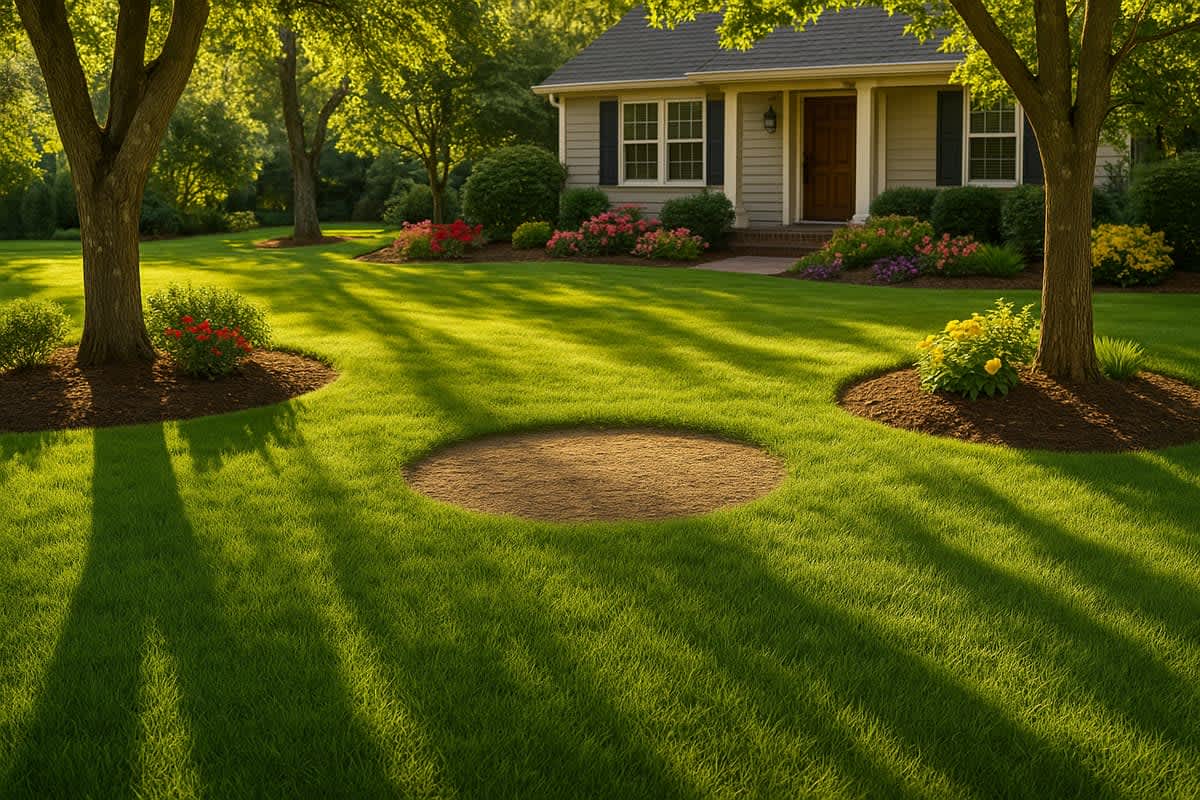
How much does tree stump removal cost?
How much does tree stump removal cost?
$150 – $500 per stump
$2 – $5 per inch of diameter
$100 – $200 per hour

Average tree stump removal cost
Tree stump removal costs $150 to $500 per stump on average, with most homeowners paying around $300. Prices vary widely depending on the stump's size, the removal method, the tree species, root system complexity, and your location. Small stumps under 12 inches in diameter can cost as little as $75 to $150, while large stumps over 24 inches may run $400 to $1,000 or more.
| Cost factor | Average cost |
|---|---|
| National average | $300 |
| Typical range | $150 - $500 |
| Low end | $75 - $150 |
| High end | $500 - $1,000+ |
| Per-inch pricing (by diameter) | $2 - $5 per inch |
| Per-stump pricing | $150 - $500 per stump |
| Hourly rate | $100 - $200 per hour |
Whether you just had a tree cut down or inherited an old stump with a property purchase, removing it is more than a cosmetic concern. Leftover stumps attract termites and carpenter ants, create tripping hazards, interfere with mowing, and can send up new shoots that regrow into unwanted trees. Understanding the costs involved helps you budget accurately and choose the right removal method for your situation.
Cost by removal method
The method you choose for getting rid of a stump is the biggest factor in overall cost. Stump grinding is the most common and cost-effective professional option, while complete stump extraction costs significantly more due to the heavy equipment and labor involved. Here is a breakdown of each approach.
| Removal method | Average cost per stump |
|---|---|
| Stump grinding | $150 - $400 |
| Complete stump extraction (excavation) | $350 - $1,500 |
| Chemical stump removal | $50 - $150 |
| Burning | $50 - $150 |
| Manual removal (DIY hand digging) | $0 - $100 |
Stump grinding
Stump grinding is the most popular professional method, costing $150 to $400 per stump. A stump grinder uses a rotating carbide-tipped wheel to chip away the wood several inches below ground level, typically 6 to 12 inches deep. The process leaves behind a pile of wood chips that can be used as mulch.
Grinding is fast, usually taking 30 minutes to 2 hours per stump. However, it does not remove the root system. Roots left underground will eventually decompose naturally over several years, which can cause minor ground settling in the area.
Complete stump extraction
Full stump removal, or excavation, costs $350 to $1,500 per stump. This method involves digging out the entire stump and root ball using heavy equipment like a backhoe or excavator. It is the most thorough option and the best choice if you plan to build, pour a foundation, or plant a new tree in the same spot.
Extraction leaves a large hole that needs to be backfilled with soil, adding to the cost and cleanup effort. It also causes more disruption to the surrounding landscape than grinding.
Chemical stump removal
Chemical removal is the cheapest option at $50 to $150, but it is also the slowest. Potassium nitrate or a commercial stump remover is applied to drilled holes in the stump. The chemical accelerates decomposition, softening the wood over 4 to 6 weeks so it can be broken apart with an axe or burned.
This method works best for homeowners who are not in a rush and want to save money. It requires patience and, in some cases, multiple applications.
Burning
Burning a stump costs $50 to $150 for materials such as kerosene, charcoal, or commercial stump-burning products. After drilling holes and applying an accelerant, the stump is lit and allowed to smolder until it turns to ash. This process can take 12 to 24 hours.
Cost by stump size
Stump diameter is one of the primary pricing factors professionals use to calculate their quotes. Most companies charge $2 to $5 per inch of diameter, with minimums often in place for small jobs. Larger stumps require more time, more fuel for the grinder, and additional labor.
| Stump diameter | Grinding cost | Extraction cost |
|---|---|---|
| 6 - 12 inches (small) | $75 - $200 | $150 - $400 |
| 12 - 24 inches (medium) | $150 - $400 | $350 - $800 |
| 24 - 36 inches (large) | $300 - $600 | $600 - $1,200 |
| 36+ inches (extra large) | $500 - $1,000 | $1,000 - $1,500+ |
Many companies set a minimum service charge of $100 to $200 regardless of stump size, since they need to transport heavy equipment to your property. If you have a single small stump, you will likely pay closer to this minimum rather than the strict per-inch rate.
Cost by tree species
The type of tree determines wood density and root system complexity, both of which affect how long grinding or extraction takes. Hardwood stumps from trees like oak, hickory, and maple cost more to remove than softwood stumps from pine, spruce, or willow.
| Tree species | Wood type | Average grinding cost |
|---|---|---|
| Pine, spruce, cedar | Softwood | $100 - $300 |
| Birch, poplar, willow | Softwood | $100 - $300 |
| Maple, ash, elm | Hardwood | $150 - $450 |
| Oak, hickory, black walnut | Hardwood | $200 - $500 |
| Palm | Fibrous | $100 - $350 |
Hardwood stumps wear down grinder teeth faster and take longer to process. Trees with aggressive, spreading root systems (like willows or certain maples) also cost more to extract because the roots extend farther and deeper into the ground.
Multiple stump discounts
Removing several stumps at once is significantly cheaper per stump than removing them individually. Most companies offer discounts of $25 to $50 per additional stump since the equipment is already on-site and set up.
| Number of stumps | Estimated total cost (grinding) | Approximate per-stump cost |
|---|---|---|
| 1 stump | $150 - $400 | $150 - $400 |
| 2 - 3 stumps | $250 - $700 | $125 - $235 |
| 4 - 6 stumps | $400 - $1,000 | $100 - $170 |
| 7 - 10 stumps | $600 - $1,400 | $85 - $140 |
| 10+ stumps (land clearing) | $1,000 - $3,000+ | $75 - $125 |
If you have multiple stumps on your property, it is worth coordinating their removal in a single visit. You can also talk to neighbors to see if they need stumps removed and split the trip charge.
Additional cost factors
Beyond size and method, several other factors can increase or decrease the total cost of stump removal. Accessibility, soil conditions, and cleanup preferences all play a role in your final bill.
| Factor | Impact on cost |
|---|---|
| Difficult access (fenced yard, slopes, tight spaces) | +$50 - $200 |
| Root system removal (in addition to grinding) | +$100 - $300 |
| Debris cleanup and hauling | +$50 - $100 |
| Filling the hole with topsoil | +$50 - $150 |
| Proximity to underground utilities | +$50 - $200 |
| Rocks or embedded objects in stump area | +$50 - $150 |
| Old, decayed stump (easier to remove) | -$25 - $75 |
Accessibility
Stumps in hard-to-reach areas cost more. If a stump grinder cannot fit through a gate or navigate around obstacles, the operator may need to use a smaller, less efficient machine or perform more manual work. Stumps on steep slopes or near buildings also require extra caution and time.
Root exposure and soil type
Surface roots that extend across a large area add to the grinding or excavation work. Rocky or clay-heavy soils make extraction more difficult and time-consuming. Sandy soils, by contrast, make root removal easier.
Underground utilities
Always call 811 (the national "Call Before You Dig" number) before any stump removal project. If utility lines run near the stump, the operator must work carefully around them, which slows the job. In some cases, hand digging may be required near gas, water, or electrical lines, increasing labor costs.
Cleanup and backfilling
Stump grinding produces a large volume of wood chips, often 4 to 6 times the volume of the original stump. Some companies include basic cleanup in their price. Others charge extra to haul away chips, backfill the hole with topsoil, or grade the area for reseeding.
DIY stump removal cost
Removing a stump yourself can save money, but the savings depend on the method and whether you already own or need to rent equipment. For small stumps, DIY can be very affordable. For large stumps, the cost and effort often make hiring a professional the better choice.
| DIY method | Equipment/supply cost |
|---|---|
| Stump grinder rental (half day) | $200 - $400 |
| Stump grinder rental (full day) | $350 - $600 |
| Chemical stump remover | $10 - $30 |
| Hand tools (mattock, axe, shovel) | $30 - $100 |
| Chainsaw (if not owned) | $150 - $400 |
| Burning supplies (kerosene, drill bits) | $20 - $50 |
When DIY makes sense
DIY stump removal is practical when the stump is small (under 12 inches), you have multiple stumps to justify a grinder rental, or you are willing to wait weeks for chemical methods to work. Renting a grinder for a half day at $200 to $400 can pay off if you have three or more stumps to grind.
When to hire a professional
Hire a pro for stumps larger than 24 inches, stumps near utility lines or structures, or situations where you lack experience with heavy equipment. Professionals carry insurance, have commercial-grade grinders, and complete the job in a fraction of the time. Their equipment grinds deeper and faster than rental-grade machines.
Stump grinding vs. stump removal
These two terms are often used interchangeably, but they refer to different services with different outcomes and price points. Understanding the distinction helps you choose the right approach for your needs.
| Feature | Stump grinding | Full stump removal |
|---|---|---|
| Cost per stump | $150 - $400 | $350 - $1,500 |
| Roots removed | No | Yes |
| Depth below ground | 6 - 12 inches | Complete removal |
| Landscape disruption | Minimal | Significant |
| Time per stump | 30 minutes - 2 hours | 2 - 6 hours |
| Best for | Lawn restoration, gardens | Construction, replanting |
| Equipment used | Stump grinder | Backhoe, excavator |
Choose stump grinding if you simply want the stump gone so you can mow over the area, plant grass, or lay mulch. Choose full removal if you need to build a structure, install a patio, or plant a new tree in the exact same location.
How to save money on stump removal
There are several strategies to reduce your stump removal costs without sacrificing quality.
- Bundle stumps together: Remove all stumps in a single visit to take advantage of per-stump discounts.
- Combine with tree removal: Many tree service companies offer discounted stump grinding when you hire them to fell the tree.
- Get multiple quotes: Prices vary significantly between companies. Get at least three estimates for comparison.
- Handle cleanup yourself: Save $50 to $100 by spreading the wood chips as mulch and backfilling the hole with your own topsoil.
- Choose grinding over extraction: Unless you need full root removal, grinding is the more affordable option.
- Schedule in winter: Tree service companies are less busy in late fall and winter, so you may be able to negotiate lower rates during off-peak months.
- Use chemical removal for non-urgent stumps: A $10 to $30 container of stump remover is the cheapest option if you can wait several weeks.
Why you should remove tree stumps
Leaving a tree stump in your yard may seem harmless, but it can lead to several problems over time.
- Pest attraction: Decaying stumps attract termites, carpenter ants, beetles, and other wood-boring insects that may eventually spread to your home.
- Tripping hazard: Stumps, especially those hidden by grass or weeds, pose a tripping risk for children, guests, and anyone using the yard.
- New growth: Many tree species send up suckers from an unremoved stump, creating clusters of small trees that are difficult to manage.
- Property value: Unsightly stumps detract from curb appeal and can reduce your property's value.
- Fungal disease: Decaying stumps can harbor fungal diseases like armillaria root rot, which can spread to nearby healthy trees and plants.
- Lawn care difficulty: Mowing around stumps is tedious and can damage mower blades if you accidentally strike exposed roots.
How to hire a stump removal professional
Choosing the right contractor ensures the job is done safely and at a fair price. Follow these steps to find a reliable stump removal service.
- Verify licensing and insurance: Confirm the company carries general liability insurance and workers' compensation. This protects you from liability if an accident occurs on your property.
- Ask about equipment: Professional-grade stump grinders vary in size and capability. Ask what machine they will use and whether it can access your stump's location.
- Request itemized quotes: A good estimate should break down costs for grinding or extraction, cleanup, debris hauling, and backfilling separately.
- Check reviews and references: Read online reviews and ask for references from recent customers.
- Clarify what is included: Ask specifically whether the quote includes chip cleanup, debris removal, and hole filling. These are common add-on charges.
- Confirm grinding depth: Standard grinding goes 6 to 12 inches below grade. If you plan to plant a new tree or install sod, you may need deeper grinding at additional cost.
Frequently asked questions
How long does stump grinding take?
Most stumps take 30 minutes to 2 hours to grind, depending on size and wood hardness. A 12-inch softwood stump may take just 15 to 30 minutes, while a 36-inch hardwood stump could take 2 hours or more. Full extraction takes longer, typically 2 to 6 hours per stump.
Will roots keep growing after stump grinding?
No. Once the stump is ground below the soil line, the tree can no longer produce new growth. The remaining roots will decompose naturally over 5 to 10 years. During that time, you may notice slight settling in the ground above the decaying root channels.
Can I plant a new tree where a stump was removed?
Yes, but timing and method matter. After stump grinding, you should remove as many wood chips as possible and fill the hole with quality topsoil. Wait at least one growing season before planting. If you had the stump fully extracted, you can plant sooner since the root ball has been completely removed.
Is stump removal covered by homeowners insurance?
Typically, no. Homeowners insurance does not cover routine stump removal. However, if a tree fell due to a covered peril like a storm, some policies may cover removal of the stump as part of the tree removal claim. Check your policy or call your insurer to confirm.
How deep does stump grinding go?
Standard stump grinding reaches 6 to 12 inches below the soil surface. This is deep enough for lawn grass and most landscaping. If you need deeper grinding for construction or replanting, discuss this with your contractor, as it will increase the cost.
What happens to the wood chips after grinding?
The grinding process produces a mound of wood chips mixed with soil. Many homeowners use these chips as mulch for garden beds and around trees. If you do not want them, most companies will haul them away for an additional fee of $50 to $100.