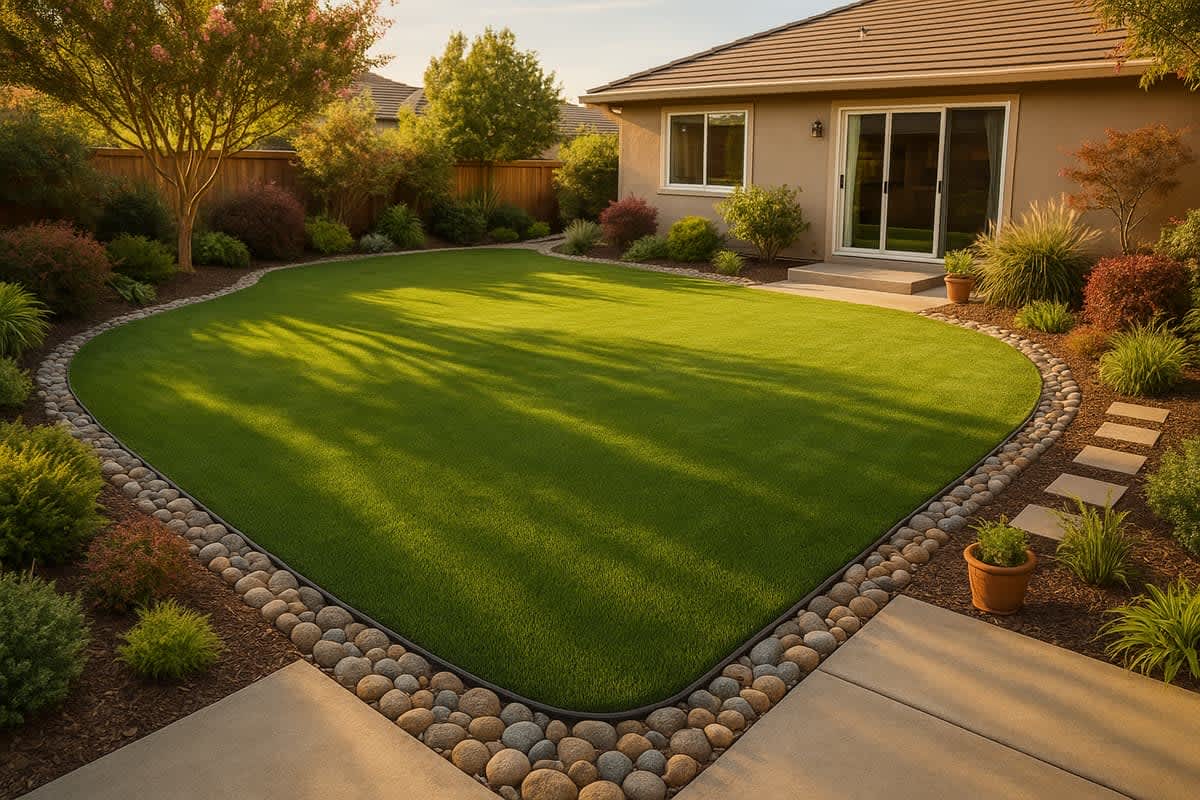
How much does artificial grass installation cost?
How much does artificial grass installation cost?
$5 – $20 per square foot installed
$2,500 – $7,000 average total cost
$2 – $8 per square foot (materials only)

Average Artificial Grass Installation Cost
Artificial grass installation costs $5 to $20 per square foot, with most homeowners paying $2,500 to $7,000 for a standard 500-square-foot lawn. The total price depends on turf quality, site preparation needs, and whether you hire a professional or install it yourself. Materials alone run $2 to $8 per square foot, while labor adds another $3 to $12 per square foot.
| Project Detail | Average Cost |
|---|---|
| National average cost | $4,500 |
| Typical range | $2,500 – $7,000 |
| Low end | $1,500 |
| High end | $15,000+ |
| Cost per square foot (installed) | $5 – $20 |
| Materials only per square foot | $2 – $8 |
| Labor only per square foot | $3 – $12 |
Despite the higher upfront investment compared to natural sod, artificial turf eliminates ongoing costs for watering, mowing, fertilizing, and pest control. Most homeowners recoup their investment within 5 to 7 years through reduced maintenance expenses and water savings.
Artificial Grass Cost per Square Foot
The price per square foot varies significantly based on turf grade, pile height, and intended use. Budget-friendly options start around $2 per square foot for materials, while premium, realistic-looking turf can reach $8 or more per square foot.
| Turf Quality Level | Material Cost per Sq Ft | Installed Cost per Sq Ft |
|---|---|---|
| Economy / budget | $2 – $3 | $5 – $8 |
| Mid-range | $3 – $5 | $8 – $14 |
| Premium / luxury | $5 – $8 | $14 – $20 |
Economy turf works well for utility areas, dog runs, or temporary installations. It typically features shorter pile height and less color variation, giving it a less natural appearance.
Mid-range turf offers a good balance of realism and durability. It often includes multi-toned blades, thatch layers, and UV protection, making it a popular choice for front and backyard lawns.
Premium turf mimics the look and feel of natural grass with advanced blade shapes, multiple green tones, and brown thatch. This grade is common in high-end landscaping, putting greens, and commercial applications.
Cost by Project Size
Larger projects benefit from economies of scale, as the per-square-foot price typically drops for bigger installations. A small balcony or pet area costs less overall but more per square foot than a full backyard makeover.
| Project Size | Estimated Total Cost (Installed) |
|---|---|
| 100 sq ft (small patio or pet area) | $800 – $2,000 |
| 250 sq ft (side yard) | $1,500 – $4,000 |
| 500 sq ft (average front yard) | $2,500 – $7,000 |
| 1,000 sq ft (full backyard) | $5,000 – $12,000 |
| 2,000 sq ft (large yard) | $9,000 – $20,000 |
| 5,000 sq ft (commercial or sports field) | $20,000 – $50,000+ |
Many installers offer bulk pricing discounts on orders above 500 square feet. It's worth requesting quotes from multiple contractors and asking about volume discounts for larger installations.
Cost by Turf Type and Application
Different applications call for different turf products, each with its own price point. Pet turf, putting greens, and playground turf are engineered with specific features that affect cost.
| Turf Type / Application | Installed Cost per Sq Ft |
|---|---|
| Landscape / lawn turf | $5 – $15 |
| Pet / dog turf | $6 – $16 |
| Playground turf | $8 – $18 |
| Putting green turf | $10 – $20 |
| Sports field turf | $8 – $15 |
| Balcony / rooftop turf | $5 – $12 |
Landscape and lawn turf
Standard landscape turf is the most common type and offers the widest price range. It comes in pile heights from 1 to 2.5 inches and various blade shapes designed to replicate specific grass species like bermuda, fescue, or Kentucky bluegrass.
Pet turf
Pet turf features enhanced drainage systems (often with perforated backing), antimicrobial treatments, and shorter pile heights for easy cleaning. The additional drainage layer and infill designed to neutralize odors add to the overall cost.
Putting green turf
Putting green turf is the most expensive variety, with a very short, dense pile and specialized infill that controls ball speed and roll. Professional installation requires precise grading and contouring, which increases labor costs significantly.
Playground turf
Playground turf requires shock-absorbing padding underneath to meet fall-height safety standards. The added foam or rubber underlayment raises the installed price, but it is essential for meeting ASTM safety requirements.
Installation Cost Breakdown
The total installation cost includes more than just the turf itself. Site preparation, base materials, infill, and labor all contribute to the final price. Understanding each component helps you evaluate quotes accurately.
| Installation Component | Cost per Sq Ft |
|---|---|
| Turf material | $2 – $8 |
| Site preparation (grading and excavation) | $1 – $3 |
| Base material (crushed rock / decomposed granite) | $0.50 – $2 |
| Weed barrier fabric | $0.10 – $0.30 |
| Infill material | $0.50 – $1.50 |
| Edging / borders | $1 – $5 per linear foot |
| Seaming tape and adhesive | $0.25 – $0.75 |
| Labor | $3 – $12 |
Site preparation
Proper site preparation is critical for a long-lasting installation. This step involves removing existing grass, weeds, and debris, then excavating 3 to 4 inches of soil and grading the area for drainage. Difficult terrain, tree root removal, or rocky soil increases preparation costs.
Base material
A compacted base of crushed rock, decomposed granite, or class II road base provides stability and drainage. Most installations require a 2- to 4-inch base layer. The material is spread evenly and compacted with a plate compactor to create a smooth, firm surface.
Infill
Infill keeps turf blades upright, adds cushioning, and improves drainage. Common infill options include:
- Silica sand: $0.50 to $1 per square foot. Budget-friendly and widely available.
- Crumb rubber: $0.75 to $1.25 per square foot. Provides cushioning; common on sports fields.
- Zeolite: $1 to $1.50 per square foot. Absorbs odors, making it ideal for pet areas.
- Envirofill: $1 to $2 per square foot. Coated sand with antimicrobial properties.
| Infill Type | Cost per Sq Ft | Best For |
|---|---|---|
| Silica sand | $0.50 – $1 | General landscaping |
| Crumb rubber | $0.75 – $1.25 | Sports fields, playgrounds |
| Zeolite | $1 – $1.50 | Pet areas (odor control) |
| Envirofill | $1 – $2 | Antimicrobial applications |
Labor
Professional installation labor runs $3 to $12 per square foot, depending on your location, project complexity, and the installer's experience. Complex layouts with curves, slopes, or multiple seams take more time and cost more.
Factors That Affect the Total Cost
Several variables influence your final price beyond the basic materials and labor. Understanding these factors helps you budget accurately and avoid surprises.
| Cost Factor | Impact on Price |
|---|---|
| Turf quality and pile height | Higher quality = higher cost |
| Site conditions (slope, soil, access) | Difficult sites add $1 – $5 per sq ft |
| Geographic location | Urban areas cost 10% – 30% more |
| Removal of existing landscaping | Adds $1 – $3 per sq ft |
| Drainage requirements | Added drainage systems cost $1,000 – $5,000+ |
| Shape complexity (curves, cutouts) | Irregular shapes increase labor and waste |
| Accessibility | Backyard-only access increases labor time |
Turf quality and pile height
Pile height ranges from about 0.5 inches (putting greens) to 2.5 inches (luxury landscape turf). Taller, denser turf uses more material per square foot and costs more. Face weight, measured in ounces per square yard, also affects price. Heavier face weights indicate denser, more durable turf.
Geographic location
Installation costs vary by region. In areas with high demand for artificial turf (such as the Southwest, where water conservation is a priority), competition may keep prices moderate. In regions where artificial turf is less common, fewer installers and higher shipping costs can push prices up.
Drainage considerations
Most artificial turf is perforated to allow water to drain through. However, areas with poor soil drainage or flat terrain may require a French drain system or additional drainage channels beneath the base. This can add $1,000 to $5,000 or more to the project.
Water savings tip: Homeowners in drought-prone areas may qualify for rebates on artificial turf installation. Many water utilities in California, Nevada, Arizona, and other Western states offer $1 to $4 per square foot in rebates for replacing natural grass with artificial turf. Check with your local water provider before starting your project.
DIY vs. Professional Installation
Installing artificial turf yourself can save 40% to 60% on total project costs. However, improper installation leads to wrinkles, poor drainage, visible seams, and premature wear that may cost more to fix later.
| Installation Method | Cost per Sq Ft | 500 Sq Ft Project Cost |
|---|---|---|
| DIY installation | $3 – $7 | $1,500 – $3,500 |
| Professional installation | $5 – $20 | $2,500 – $10,000 |
When to DIY
DIY installation makes sense for small, flat areas with simple shapes. You'll need basic tools including a plate compactor (rentable for $50 to $100 per day), a sharp utility knife, landscape staples, and a power broom. Budget a full weekend for a 500-square-foot project.
When to hire a professional
Hire a professional for projects involving slopes, complex drainage, large areas, or multiple seams. Professionals bring specialized equipment, experience with seamless joining, and often include warranties on labor and materials lasting 5 to 15 years.
Additional Costs to Consider
Beyond the core installation, several additional expenses can affect your overall budget. Planning for these upfront prevents cost overruns.
| Additional Service | Average Cost |
|---|---|
| Old sod or grass removal | $1 – $3 per sq ft |
| Sprinkler system removal or capping | $50 – $150 per head |
| Concrete or hardscape removal | $3 – $6 per sq ft |
| Tree root removal | $200 – $600 |
| Retaining wall or border installation | $15 – $50 per linear foot |
| Landscape lighting around turf area | $200 – $2,000 |
| Permit fees (if required) | $50 – $300 |
Most residential installations don't require permits, but some HOAs and municipalities have regulations about artificial turf. Check local codes before beginning your project to avoid fines or required removal.
Artificial Grass Maintenance Costs
One of the biggest advantages of artificial turf is its low maintenance. Annual upkeep costs average $100 to $300, compared to $1,500 to $3,000 per year for natural lawn maintenance.
| Maintenance Task | Frequency | Annual Cost |
|---|---|---|
| Rinsing / hosing down | Monthly | $20 – $50 |
| Brushing with power broom | Quarterly | $0 – $50 (DIY) / $100 – $200 (professional) |
| Infill replenishment | Every 1 – 2 years | $50 – $150 |
| Weed treatment at edges | As needed | $20 – $50 |
| Professional cleaning service | Annually | $100 – $300 |
Regular brushing keeps blades upright and prevents matting in high-traffic areas. For pet owners, weekly rinsing and periodic enzymatic cleaner application help control odors. Most quality turf products last 15 to 25 years with proper maintenance.
Artificial Grass vs. Natural Grass Cost Comparison
Artificial turf costs significantly more upfront but saves money over time by eliminating water bills, mowing, fertilizing, and reseeding. The break-even point depends on your local water rates and lawn care costs.
| Expense Category | Artificial Grass (10-Year Cost) | Natural Grass (10-Year Cost) |
|---|---|---|
| Installation (500 sq ft) | $2,500 – $7,000 | $500 – $2,000 |
| Annual water | $0 – $50 | $200 – $800 |
| Annual maintenance | $100 – $300 | $500 – $3,000 |
| 10-year total cost | $3,500 – $10,500 | $7,500 – $40,000 |
Over a 10-year period, artificial grass often saves homeowners $4,000 to $30,000 depending on climate, water costs, and lawn care expenses. In hot, dry regions where water is expensive, the savings are even greater.
Long-term value: Quality artificial turf comes with manufacturer warranties of 8 to 15 years, and most products last 15 to 25 years before needing replacement. When factoring in the full lifespan, artificial grass is almost always more cost-effective than maintaining a natural lawn.
How to Save Money on Artificial Turf Installation
There are several strategies to reduce your artificial grass costs without sacrificing quality:
- Get multiple quotes: Request at least three estimates from local installers to compare pricing and services.
- Choose mid-range turf: Mid-grade products offer a good balance of appearance and durability without premium pricing.
- Handle site prep yourself: Removing existing sod and clearing the area before the installer arrives can save $1 to $3 per square foot.
- Buy turf directly: Purchasing turf from a wholesaler and hiring a separate installer can sometimes reduce costs.
- Install during the off-season: Fall and winter installations may come with lower prices due to reduced demand.
- Check for rebates: Water utility rebates can offset $1 to $4 per square foot of the total cost.
- Consider remnants: Turf retailers often sell leftover rolls at steep discounts, which are perfect for small projects.
Frequently Asked Questions
How long does artificial grass last?
High-quality artificial grass lasts 15 to 25 years with proper installation and maintenance. Budget turf may show wear after 8 to 10 years. Factors like UV exposure, foot traffic, and maintenance frequency all influence lifespan.
Does artificial grass increase home value?
Artificial turf can increase curb appeal and attract buyers in water-conscious markets. While it doesn't guarantee a dollar-for-dollar return, well-maintained artificial lawns appeal to buyers who want low-maintenance landscaping. Real estate agents in the Southwest frequently report it as a selling point.
Is artificial grass safe for pets?
Yes. Pet-specific turf is designed with antimicrobial infill, enhanced drainage, and odor-resistant properties. Most pet turf allows liquids to drain at a rate of 30 or more inches per hour, preventing pooling and bacteria growth.
Does artificial grass get hot?
Artificial turf can reach temperatures 20 to 50 degrees higher than natural grass on sunny days. To reduce heat, choose lighter-colored turf, use cooling infill products, or install shade structures over the area. Some newer turf products also include heat-reflective technology.
Can I install artificial grass over concrete?
Yes. Artificial turf installs directly over concrete patios, pool decks, and balconies using adhesive or double-sided tape. A foam underlayment is recommended for cushioning and comfort. This type of installation costs $4 to $10 per square foot since no excavation or base work is needed.
How much does it cost to replace artificial grass?
Replacing worn artificial turf costs $3 to $10 per square foot since the base layer is typically still intact. The main expenses include removing the old turf ($0.50 to $2 per square foot), purchasing new material, and re-securing the edges.