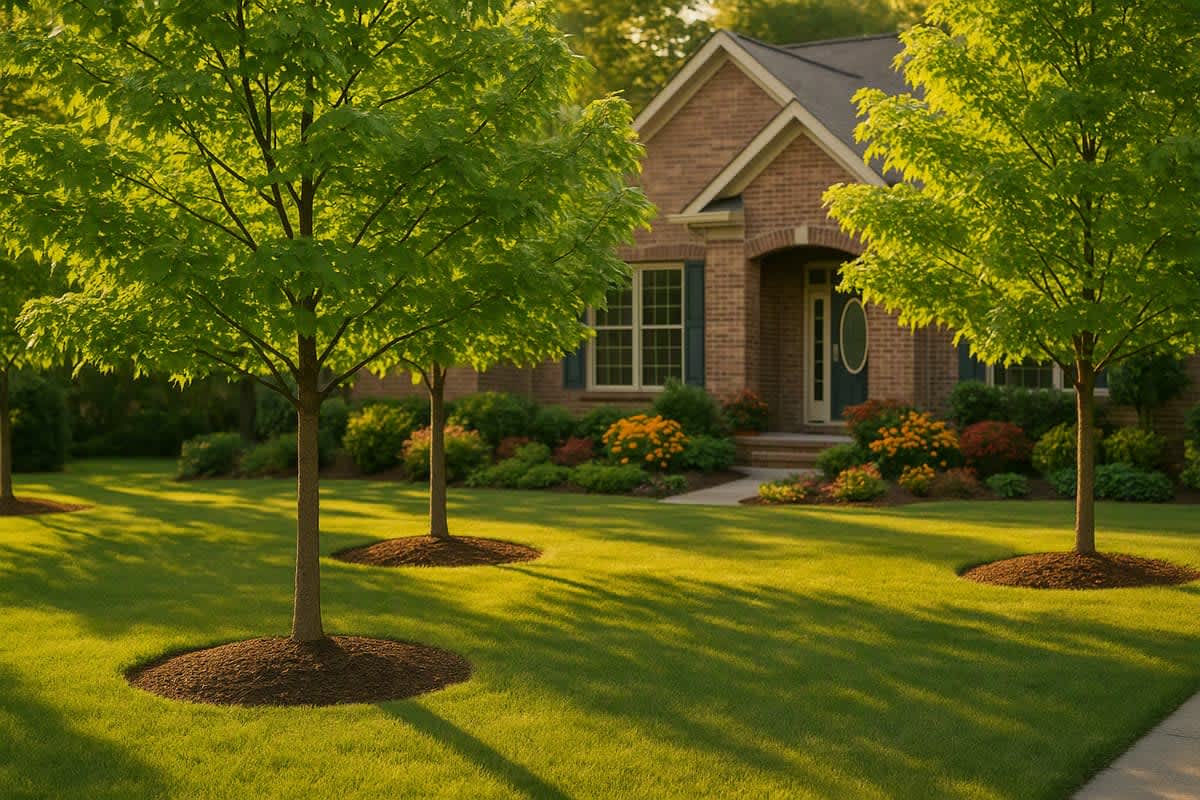
How much does tree planting cost?
How much does tree planting cost?
$300 – $680 average total cost
$50 – $300 per small sapling
$2,000 – $5,000 per large tree (20+ ft)

Average tree planting cost
The average cost to have a tree professionally planted is $300 to $680, depending on the tree's size, species, and your location. A small sapling may cost as little as $50 to plant, while a large mature tree over 20 feet tall can run $2,000 to $5,000 or more. Most homeowners planting a single semi-mature tree spend between $565 and $680, including the tree, labor, and materials.
| Project scope | Average cost |
|---|---|
| National average (semi-mature tree) | $565 – $680 |
| Small sapling (1 – 6 feet) | $50 – $300 |
| Medium tree (up to 10 feet) | $200 – $700 |
| Large tree (up to 20 feet) | $400 – $2,400 |
| Very large tree (over 20 feet) | $2,000 – $5,000 |
| DIY planting (sapling + tools) | $100 – $150 |
These figures include the cost of the tree itself, labor, soil preparation, staking, and basic cleanup. The price of the tree alone can account for 40% to 60% of the total bill, especially for larger specimens that require shipping from distant nurseries.
Cost by tree size
Tree size is the single biggest driver of planting cost. Larger trees require deeper and wider holes, heavier equipment such as backhoes or cranes, and more labor hours. A 6-foot crape myrtle, for example, may cost around $650 including the tree, delivery, and planting, while a 20-foot oak could exceed $2,400.
| Tree height | Cost range (tree + planting) |
|---|---|
| 1 – 6 feet | $50 – $300 |
| Up to 10 feet | $200 – $700 |
| Up to 20 feet | $400 – $2,400 |
| Over 20 feet | $2,000 – $5,000 |
Small saplings under 6 feet are lightweight enough for one person to handle. A shovel, some compost, and a garden hose are usually all that's needed. Medium trees between 5 and 10 feet typically cost around $250 and still fall within a manageable range for a small crew.
Once trees exceed 10 feet, the logistics change significantly. Specialized equipment is required to transport and lower the root ball into a properly prepared hole. Expect a crew of two to four workers and potentially a full day of labor for trees over 15 feet tall.
Cost by tree type
The species you choose will directly affect what you pay for the tree itself. Fruit trees tend to be on the lower end, while large shade trees command premium prices. Below is a breakdown of tree costs by category, not including labor.
| Tree type | Cost per tree (tree only) |
|---|---|
| Fruit trees | $17 – $225 |
| Evergreen trees | $20 – $350 |
| Ornamental trees | $25 – $275 |
| Nut trees | $25 – $300 |
| Flowering trees | $25 – $300 |
| Shade trees | $35 – $700 |
Fruit trees
Fruit trees are among the most affordable options, with small specimens starting around $17. When you factor in professional planting and possibly an arborist consultation to choose the right spot for fruit production, the total cost is typically $150 to $500.
Evergreen trees
Planting a young evergreen costs about $100 if you handle the work yourself. Keep in mind that evergreens require more water than deciduous trees, especially in warmer climates. This means ongoing maintenance costs will be higher over time, and installing a sprinkler system may be worth considering.
Ornamental trees
Popular ornamental trees like redbuds and serviceberries fall on the more expensive end, costing around $125 to $275 per tree. Smaller ornamental varieties can be purchased and planted for as little as $60.
Shade trees
Shade trees like maples and oaks are the priciest category because they tend to be large and heavy. A mature shade tree can cost $700 or more before labor is factored in. However, these trees reduce home energy use by an estimated 16% annually, which helps offset the upfront investment over time.
Cost by tree maturity
A tree's maturity level, meaning its age and development stage, has a major effect on total planting cost. Mature trees deliver instant curb appeal and shade but cost significantly more to purchase, transport, and install.
| Tree maturity | Average cost (tree + labor) |
|---|---|
| Sapling (under 2 years) | $50 – $100 |
| Young tree | $65 – $1,500 |
| Mature tree | $890 – $2,700 |
Saplings under two years old are the most budget-friendly option, usually costing around $100 including planting. However, you will need to wait years before they provide meaningful shade or visual impact.
Mature trees cost between $890 and $2,700 to plant on average, and prices can climb much higher for specimens over 20 feet tall. While the upfront investment is steep, mature trees require less ongoing care and begin providing environmental benefits immediately.
Planting a mature tree costs more upfront, but it can start reducing your energy bills right away. Shade trees can lower heating and cooling costs by an estimated 16% annually, potentially saving thousands of dollars over the tree's lifetime.
Labor costs
Professional tree planting labor costs $50 to $150 per hour, depending on the complexity of the job and the experience of the crew. Most landscapers and arborists charge a minimum fee, so even a quick sapling planting will cost at least $50.
| Labor component | Typical cost |
|---|---|
| Hourly rate | $50 – $150 per hour |
| Minimum service fee | $50 – $100 |
| Crew for large tree (full day) | $500 – $2,000+ |
| Equipment rental (backhoe, crane) | $200 – $1,000+ per day |
For a standard semi-mature tree, labor typically takes two to four hours. The work involves digging the hole, preparing the soil, positioning the root ball, backfilling, installing stakes, and setting up a watering tube.
Large tree installations that require a backhoe, crane, or a crew of four or more workers can push labor costs into the thousands. Specialty equipment rental alone can add $200 to $1,000 or more per day to the project.
Cost by location
Where you live significantly affects what you will pay to plant a tree. Areas with higher costs of living, like the Northeast and coastal cities, tend to have higher labor rates. Additionally, trees that are not native to your region will cost more because of transportation fees.
| City / Region | Average cost per tree (labor + materials) |
|---|---|
| Dothan, AL (Southeast) | $463 – $557 |
| Houston, TX (Southwest) | $478 – $574 |
| Orlando, FL (Southeast) | $482 – $580 |
| Atlanta, GA (Southeast) | $487 – $586 |
| Roswell, NM (Southwest) | $487 – $586 |
| Salem, OR (Northwest) | $535 – $643 |
| Pawtucket, RI (Northeast) | $559 – $672 |
| South Bend, IN (Midwest) | $587 – $707 |
| San Diego, CA (Southwest) | $606 – $730 |
| Chicago, IL (Midwest) | $654 – $787 |
| Seattle, WA (Northwest) | $678 – $816 |
| New York, NY (Northeast) | $749 – $902 |
Southeastern cities like Dothan, AL and Orlando, FL offer some of the lowest tree planting costs in the country, often under $580. Major metropolitan areas like New York and Seattle can exceed $800 to $900 for the same project.
Choosing a tree species native to your region can also reduce costs. Native trees are easier to source locally, require less transportation, and typically adapt better to local soil and climate conditions.
Other factors that affect cost
Beyond size, species, and location, several additional factors can increase or decrease your total tree planting bill.
| Factor | Cost impact |
|---|---|
| Distance from nursery to site | $50 – $500+ in delivery fees |
| Difficult terrain (slopes, rocky soil) | 10% – 30% increase in labor |
| Number of trees (bulk discount) | 10% – 20% savings per tree |
| Warranty on the tree | $50 – $200 added to price |
| Soil amendment and preparation | $50 – $200 |
Distance to the planting site
If the nursery is far from your property, transportation fees will increase the total cost. Larger trees are especially expensive to ship because they require specialized trucks and equipment to move safely.
Site accessibility and terrain
Planting on a slope, near a retaining wall, or in an area with rocky soil takes more time and effort. Difficult access points that prevent equipment from reaching the planting site can add 10% to 30% to your labor costs. In some cases, land clearing may be necessary before planting can begin.
Number of trees
Planting multiple trees at once typically reduces the per-tree cost. Landscapers and nurseries often offer bulk pricing, and the crew is already on-site with equipment. Expect savings of 10% to 20% per tree when planting several at once.
Tree warranty
Many landscaping companies include a warranty on newly planted trees, guaranteeing replacement if the tree dies within one to two years. This warranty is sometimes built into the quoted price and can add $50 to $200 to the total.
DIY vs. professional tree planting
Planting a tree yourself costs around $100 to $150 total, including a shovel, wheelbarrow, compost, and the sapling itself. Professional planting for the same sapling starts at about $50 in labor on top of the tree's purchase price, bringing the total to roughly $150 to $250.
| Approach | Estimated cost |
|---|---|
| DIY (sapling + tools) | $100 – $150 |
| Professional (sapling) | $150 – $250 |
| Professional (medium tree, 5 – 10 ft) | $200 – $700 |
| Professional (large tree, 10 – 20 ft) | $400 – $2,400 |
DIY planting works well for small saplings and young trees. The process involves digging a hole about twice the width of the root ball, placing the tree at the correct depth, backfilling with native soil, and watering thoroughly.
For trees over 10 feet tall, professional planting is strongly recommended. Improper planting depth, inadequate root ball handling, or poor site selection can kill the tree or cause long-term health problems. Professionals have the equipment, knowledge, and insurance to handle large trees safely.
Professional planting also offers the advantage of warranties, site assessment, and proper soil preparation. If you are unfamiliar with your soil type, drainage conditions, or local tree regulations, hiring an arborist or experienced landscaper is the safer investment.
Return on investment
Trees are one of the few home improvements that increase in value over time rather than depreciating. For every $1 spent on trees (including planting and maintenance), the estimated return on investment is $2.23.
| Benefit | Estimated savings / value |
|---|---|
| Home energy reduction (shade trees) | 16% annually |
| Return on investment per $1 spent | $2.23 |
| Increase in property value (mature trees) | 3% – 15% |
Shade trees reduce heating and cooling costs by blocking sunlight in summer and providing wind protection in winter. In urban areas, trees collectively save residents and businesses millions of dollars in annual energy costs.
Mature, healthy trees can increase property values by 3% to 15%, depending on the species, placement, and overall landscaping. Real estate appraisers regularly account for large, healthy trees when assessing a property's value.
Beyond financial returns, trees improve air quality, reduce stormwater runoff, sequester carbon dioxide, and create natural gathering spaces. According to urban forestry research, adults living in areas with high levels of greenery are three times more likely to be physically active.
Frequently asked questions
What is the cheapest tree to plant?
Fruit tree saplings are among the cheapest options, starting at around $17 for the tree alone. Small ornamental trees can be purchased for as little as $25. When you factor in DIY planting, total costs can be under $50 for a small sapling.
When is the best time to plant a tree?
Fall is generally the best time to plant most trees. Cooler temperatures reduce stress on the tree, and the roots have time to establish before the heat of summer. Early spring is also a good planting window, especially for trees that are sensitive to cold.
How long does it take to plant a tree?
A professional crew can plant a small to medium tree in one to three hours. Large trees over 15 feet may take a full day, especially if heavy equipment is needed to dig the hole and position the root ball.
Do I need a permit to plant a tree?
Most residential tree plantings on private property do not require a permit. However, some cities and HOAs have regulations about tree species, placement near property lines, and minimum canopy requirements. Check with your local municipality before planting.
Do trees increase property value?
Yes. Mature, well-maintained trees can increase property value by 3% to 15%. Shade trees, in particular, are valued by homebuyers because they reduce energy costs and enhance curb appeal. Keep in mind that unhealthy or dead trees may need to be removed—learn more about tree removal cost and tree stump removal cost if you're dealing with existing trees on your property.
Can I get a tree planted for free?
Some nonprofit organizations and municipal programs offer free tree planting for residents, particularly in underserved urban areas. Organizations like Casey Trees in Washington, D.C. plant thousands of free trees each year. Check with your local parks department or urban forestry program for availability in your area.